

From Tradie to Business Owner: The Mindset Shift That Changes Everything
Across Western Australia, many highly skilled tradies work incredibly hard yet struggle to grow their business beyond a certain point. The issue is rarely workmanship or experience.
The real difference between businesses that stay small and those that scale is mindset.
At some point, every tradie who wants to grow must make a critical transition—from tradie to business owner. This shift changes how decisions are made, how time is spent, and how the business evolves.
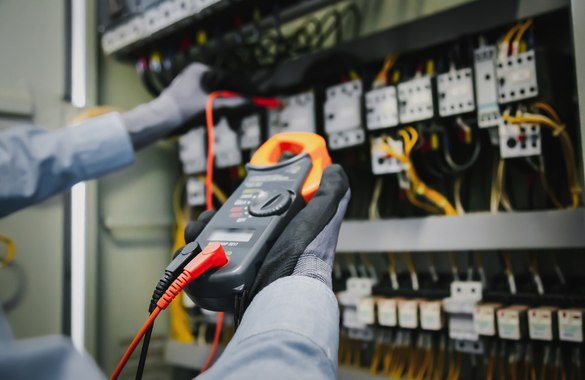
1. The Tradie Mindset vs the Business Owner Mindset
The tradie mindset focuses on:
- Doing the work
- Solving problems on site
- Getting jobs completed
The business owner mindset focuses on:
- Building systems
- Leading people
- Planning for growth
- Making strategic decisions
Both mindsets are valuable—but trying to grow a business while staying in “tradie mode” creates limitations.
2. Why Staying in Tradie Mode Holds Businesses Back
Many trade business owners in WA stay involved in every task because:
- They trust themselves more than others
- They feel guilty stepping away from tools
- They fear losing quality or control
Unfortunately, this leads to:
- Owner dependency
- Burnout
- Stagnant revenue
- Missed opportunities
Growth requires stepping back, not pushing harder.
3. Shifting Focus From Jobs to Systems
A business owner thinks in terms of systems, not individual jobs.
Instead of asking:
- “How do I finish this job faster?”
They ask:
- “How do we deliver quality consistently without me?”
Systems allow:
- Repeatable results
- Easier delegation
- Faster onboarding
- Less stress
This shift is essential for scaling trade businesses sustainably.
4. Learning to Let Go of Control
Letting go doesn’t mean lowering standards.
It means:
- Setting clear expectations
- Documenting processes
- Training team members
- Trusting systems instead of micromanaging
Trade business owners who refuse to let go often become the biggest obstacle to their own growth.
5. Thinking Long-Term Instead of Day-to-Day
Tradies are trained to focus on the task in front of them. Business owners must think months and years ahead.
Long-term thinking includes:
- Planning capacity
- Reviewing pricing regularly
- Building leadership within the team
- Investing in marketing and systems
This shift changes the trajectory of a trade business dramatically.
6. Making Decisions Based on Data, Not Emotion
Many business decisions are made based on:
- Gut feeling
- Urgency
- Stress
Business owners rely on:
- Financial reports
- Job profitability data
- Capacity planning
- Performance metrics
Clear data reduces emotional decision-making and improves outcomes.
7. The Role of Coaching in Mindset Shifts
Mindset shifts don’t happen automatically.
A WA tradie business coach helps:
- Challenge limiting beliefs
- Provide external perspective
- Guide strategic thinking
- Create accountability
Often, the biggest breakthroughs come from seeing the business differently—not working harder within it.
8. What Changes When the Mindset Shifts
Trade business owners who adopt a business owner mindset often experience:
- More control over time
- Better team performance
- Clear growth direction
- Increased profit
- Reduced stress
The work doesn’t disappear—but it becomes purposeful.
Conclusion
The journey from tradie to business owner is not about abandoning your trade. It’s about evolving your role so the business can grow beyond your personal capacity.
For WA tradies who want more freedom, profit, and sustainability, the mindset shift is where everything begins.
FAQs
Q1: Can I still work on the tools as a business owner?
A: Yes, but your primary role should gradually shift to leadership and strategy.
Q2: Why do many tradies struggle to shift mindset?
A: Because they identify strongly with their trade and fear losing control.
Q3: Does mindset really affect business growth?
A: Yes. Mindset influences decisions, priorities, and long-term planning.
Q4. How long does the mindset shift take?
A: It’s gradual, but awareness and guidance accelerate the process.
Q5. Is coaching necessary for mindset change?
A: Not mandatory, but it significantly speeds up progress.
Q6. Can small trade businesses benefit from this shift?
A: Absolutely. Mindset matters at every stage of growth.
Q4. How do I track profitability per job?
A: Use job management software or spreadsheets to compare estimated costs vs actual costs, including labour, materials, and subcontractors.
Q5. What’s the “profit first” approach?
A: It’s a method where a percentage of revenue is reserved for profit, taxes, and savings before any discretionary spending.
Q6. Can TradieCo WA help with financial planning?
A: Absolutely. We guide tradies to implement systems for pricing, cash flow, and profitability to grow sustainably.