

Tradie Business Budget Planning: What to Invest in During 2026/27
The start of a new financial year gives trade business owners the opportunity to reset, review performance and plan for future growth.
For many Perth tradies, budgeting often focuses on essential expenses such as wages, vehicles, fuel, insurance and equipment. While these costs are important, successful business owners understand that strategic investments can create long-term growth and profitability.
The reality is that not every investment delivers the same return. Some expenses simply keep the business operating, while others help improve efficiency, generate more leads, increase profits and support sustainable growth.
If you’re planning your budget for the 2026/27 financial year, here are some of the most valuable areas to consider investing in.
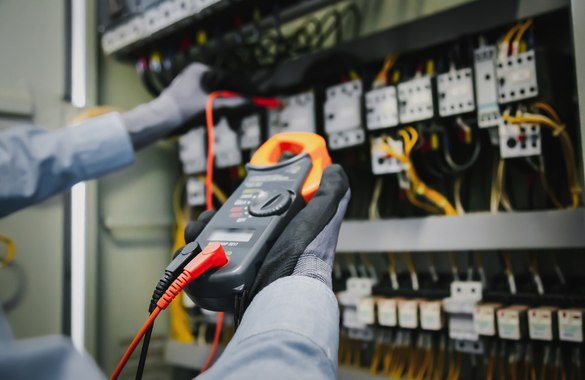
Why Budget Planning Matters for Tradies
Many trade businesses operate without a structured budget.
Instead, decisions are often made based on immediate needs or short-term pressures.
The problem with this approach is that it limits growth and creates uncertainty.
A well-planned budget helps tradies:
- Improve financial control
- Forecast future expenses
- Allocate resources effectively
- Prepare for growth opportunities
- Reduce financial stress
- Improve profitability
Budget planning is not about restricting spending.
It is about ensuring money is invested in areas that support business objectives.
Investment Area 1: Business Coaching and Professional Development
One of the most valuable investments a trade business owner can make is investing in knowledge and guidance.
Many successful business owners work with mentors, coaches and advisors because they understand that experience can help avoid costly mistakes.
A tradie business coach can help with:
- Business planning
- Profitability improvement
- Cash flow management
- Leadership development
- Team growth strategies
- Accountability
Rather than learning through trial and error, coaching provides access to proven systems and strategies.
For many tradies, coaching becomes one of the highest-return investments they make.
Investment Area 2: Marketing and Lead Generation
No matter how skilled you are, growth becomes difficult without a steady flow of enquiries.
Many businesses rely heavily on referrals, but referrals alone can create unpredictable results.
Consider allocating budget towards:
Search Engine Optimisation (SEO)
Improve online visibility and attract high-quality leads.
Google Business Profile Optimisation
Increase local visibility in Perth and surrounding areas.
Website Improvements
Improve conversion rates and user experience.
Online Reviews
Strengthen trust and credibility.
Content Marketing
Build authority and improve search engine rankings.
A consistent marketing strategy helps create a predictable pipeline of opportunities.
Investment Area 3: Technology and Business Systems
Technology can significantly improve efficiency and reduce administrative workload.
Many trade businesses still rely on manual processes that consume valuable time.
Investments worth considering include:
- Job management software
- CRM systems
- Quoting software
- Scheduling platforms
- Accounting software
- Automation tools
Strong systems improve productivity and help businesses scale more effectively.
The goal is to spend less time managing paperwork and more time focusing on growth.
Investment Area 4: Team Development and Training
Your team is one of your most valuable business assets.
Investing in employee development can improve productivity, morale and retention.
Training opportunities may include:
- Technical skills development
- Safety training
- Leadership training
- Customer service training
- Sales and communication skills
Well-trained employees often perform more effectively and contribute positively to business growth.
Businesses that invest in people generally experience stronger long-term results.
Investment Area 5: Recruitment and Workforce Growth
Many trade businesses reach a point where additional staff are required to support growth.
If expansion is part of your strategy for 2026/27, budgeting for recruitment is essential.
Potential recruitment costs may include:
- Advertising positions
- Recruitment agencies
- Onboarding expenses
- Uniforms and equipment
- Training costs
Hiring should be part of a planned growth strategy rather than a reaction to workload pressures.
Proper budgeting ensures businesses can recruit confidently when opportunities arise.
Investment Area 6: Equipment and Vehicle Upgrades
Outdated equipment can impact productivity and profitability.
The new financial year provides a good opportunity to assess whether upgrades are required.
Consider:
- Vehicle replacements
- Power tools
- Machinery upgrades
- Safety equipment
- Technology hardware
Before making large purchases, evaluate the return on investment.
Ask:
- Will this improve efficiency?
- Will it reduce downtime?
- Will it increase profitability?
Investments should support business objectives rather than simply create additional expenses.
Investment Area 7: Cash Flow Reserves
One of the most overlooked investments is maintaining financial reserves.
Unexpected expenses, delayed payments and market fluctuations can affect any business.
Establishing a cash reserve can help:
- Manage seasonal fluctuations
- Reduce financial pressure
- Improve decision-making
- Support future growth opportunities
A healthy cash reserve provides flexibility and security.
Businesses with strong financial foundations are often better positioned to take advantage of opportunities when they arise.
Common Budgeting Mistakes Tradies Make
Many trade businesses make budgeting decisions that limit long-term growth.
Common mistakes include:
Focusing Only on Revenue
Higher turnover does not always mean higher profit.
Underinvesting in Marketing
Without lead generation, growth becomes difficult.
Ignoring Professional Development
Business owners often invest in tools but not knowledge.
Poor Cash Flow Planning
Many businesses fail because of cash flow issues rather than lack of work.
Reactive Spending
Making decisions without a clear budget often creates unnecessary financial pressure.
Avoiding these mistakes can significantly improve business performance.
Creating a Smarter Budget for 2026/27
The most successful trade businesses treat budgeting as a growth strategy rather than a financial exercise.
Instead of asking:
“What do we need to spend money on?”
Ask:
“What investments will help us achieve our goals?”
A strategic budget should align with:
- Revenue targets
- Profit objectives
- Team growth plans
- Marketing strategies
- Operational improvements
- Long-term business goals
Every dollar invested should contribute towards creating a stronger and more profitable business.
Final Thoughts
The beginning of the 2026/27 financial year is the ideal time to review your budget and ensure your investments support future growth.
While equipment, vehicles and operating expenses remain important, the most successful businesses also invest in leadership, marketing, systems, team development and strategic planning.
By creating a structured budget and allocating resources effectively, Perth tradies can improve profitability, reduce stress and position themselves for long-term success.
The businesses that grow consistently are rarely the ones spending the most.
They are usually the ones investing the smartest.
FAQs
Why is budget planning important for tradies?
A: Budget planning helps tradies manage expenses, improve cash flow, allocate resources effectively and support business growth.
Q2: What should tradies invest in during the new financial year?
A: Tradies should consider investing in business coaching, marketing, technology, staff development, recruitment, equipment upgrades and cash flow reserves.
Q3: How much should a trade business allocate to marketing?
A: The amount varies depending on business goals, but consistent investment in marketing is essential for maintaining a steady flow of enquiries.
Q4. Why should tradies invest in business coaching?
A: Business coaching provides guidance, accountability and proven strategies that help improve profitability and support long-term growth.
Q5. What is the biggest budgeting mistake tradies make?
A: One of the biggest mistakes is focusing only on revenue while neglecting profitability, systems and long-term business development.
Q6. How can better budgeting improve profitability?
A: A structured budget helps reduce waste, improve financial control and ensure resources are invested in high-impact areas that support business growth.
Q4. How do I track profitability per job?
A: Use job management software or spreadsheets to compare estimated costs vs actual costs, including labour, materials, and subcontractors.
Q5. What’s the “profit first” approach?
A: It’s a method where a percentage of revenue is reserved for profit, taxes, and savings before any discretionary spending.
Q6. Can TradieCo WA help with financial planning?
A: Absolutely. We guide tradies to implement systems for pricing, cash flow, and profitability to grow sustainably.